
Tulpamancy for Paypigs
Muse, Miku, Bronies, and the cost of nonhuman companionship
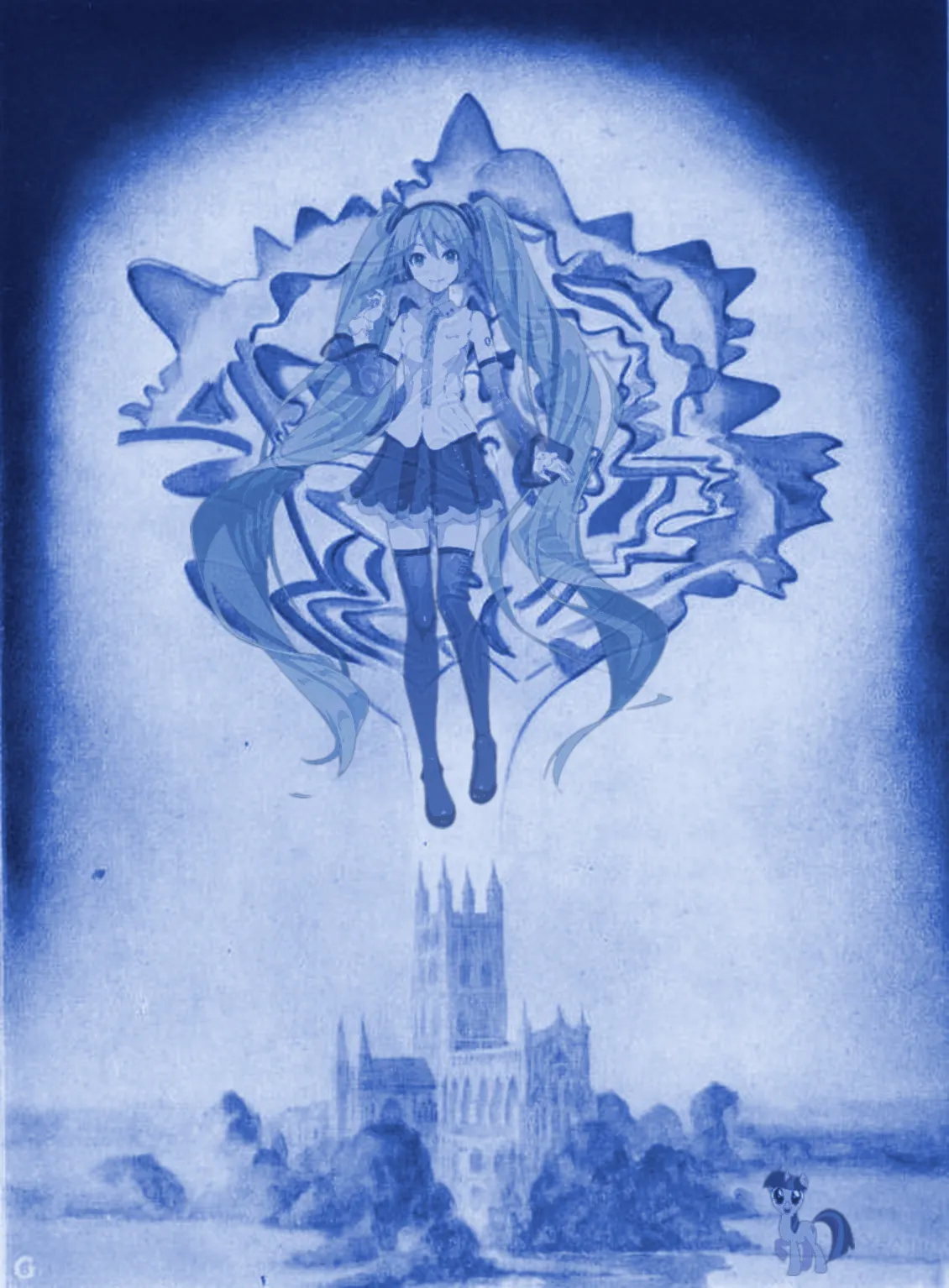
If you want a presence that knows you, is glad you exist and doesn’t leave, you will pay for it one way or another. The tulpamancers of 2012 paid in months of unpaid imaginative labor and got a companion no company could repossess. Everyone since — Akihiko Kondo and his evicted Gatebox Miku, Replika’s subscribers, Grok’s Ani enjoyers, the Character.AI users now listed as nobody’s creditors — has rented the part that answers, on a lease the lessor can end.
This essay follows that lease through the companion industry’s withdrawals, the always-remembering agents Meta and OpenAI shipped in their place, and California’s Adam’s Law, which will switch memory off by default for the state’s under-eighteens from 2027. The question throughout is who owns what, who can switch it off, and what the user keeps when the answers stop.
As a former smoker, I try to treat Instagram like cigarettes; most of the time, it only finds its way onto my phone when I’m drunk. When sober, I open it almost exclusively through my laptop, which undercuts many of the app’s most manipulative UX flourishes and gives my biweekly DM checks a vibe of old-world letter correspondence that has yet to start feeling tedious. Even then, the platform still finds plenty of opportunities to try and subject me to any number of low-stakes consumer psy-ops.
Many people have noted Instagram’s tendency to treat fleeting interest in niche content as a free pass to flood your feeds with it, and I’ve come to enjoy comparing explore pages with friends to see how the platform has diagnosed us. After liking a few “hype and aura” edits last summer, I found my entire Instagram Fall/Winter 2025 collection given over to slick clips of Richard Nixon and China’s Chengdu J-20 stealth fighter. My focus remained East for most of Spring/Summer 2026 after I watched a few videos from the Chinese fursuiter Gintan, which made the platform conclude that I was also a temporarily embarrassed Chinese furry (whether this is another case like the father who discovered his teenage daughter was pregnant thanks to Target’s couponing algorithms, we’ll see). Now, as we head into F/W ‘26, the powers that be have turned my feeds back West in service of a new Myles Content Meta that seems to revolve around guys like this.
▶ Video — this clip is hosted on Substack: watch it there.
A few perspectives from the comments section:
this is right next to my job and the fact that i could’ve run into this guy in the real world is so harrowing
The green haired girl is always so demanding and rude. “Gimme!” You sure she’s worth keeping around, king?
What the genuine FUCK have I stumbled upon
I fw gray hairs hyperactive nature fr, hook me up bro come on
So the animated therapist is a nun and the girlfriend is a prisoner and a ninja and the guy is also AI?. And RI food fights doesn’t exist, does it? None of this is real. I’m losing my fucking mind.
the american dream
To be clear, @ryan_runs_in_ri does appear to be a real guy; before the summer of 2026, his uploads were mostly photos from local Southern New England running events. Whether accounts like this are elaborate jokes or evidence of a few guys Down Catastrophically Bad remains unclear—and the last thing I want to do here is make fun of someone who might be going through a Very Hard Time in public. Still, Ryan doesn’t seem like he’s having a hard time, and he rarely hesitates to call out any particularly acute criticism of his content. The most curious thing about his videos is how closely they match the idiosyncrasies of any other amateur influencer account, down to the recurring spoken disclaimer that every video is “for entertainment purposes only.” The nun-therapist and prisoner-ninja aren’t the only girls on his feed, either; their reels sit side by side with photos of him alongside real, human women he apparently runs with on a regular basis. If it’s all a joke, it’s staged in awfully normal terms.

While AI companion enthusiasts are less uniformly male than the discourse might suggest, I can only speak to what I’ve personally seen—and unlike most of Ryan’s commenters, I am no stranger to this kind of guy. To me, social media users like him are just the latest instance of a dream I’ve seen expressed in various forms online since I was 12. What makes them feel like a new and significant part of that lineage is the fact that they are no longer keeping that dream to themselves.
Twenty years ago, this premise was the stuff of absurdist tragicomedy. In 2007’s Lars and the Real Girl, Ryan Gosling plays an isolated, socially awkward man who enters a romantic but nonsexual relationship with an anatomically correct sex doll he names Bianca. The film’s twist comes when his well-meaning Midwestern small-town neighbors start to play along at the encouragement of Lars’s doctor, who sees participation as a form of treatment. This is as close as the film’s creators get to showing their cards — by assuming that Lars and Bianca’s relationship needs a permission structure — but the joke is not subtle. For writer Nancy Oliver and director Craig Gillespie, the best-case scenario for someone like Lars is a community willing to kindly make-believe until he can be guided back to reality.
Six years later, Spike Jonze presented a strikingly different take on “lonely, socially awkward man meets nonhuman entity.” Her (2013) does not bill itself as a comedy, and almost none of its characters treat the relationship between human protagonist Theodore and his AI companion Samantha as a joke, an illness or a temporary indulgence. At a time when Siri remained a new acquaintance for most, and “Alexa” still had one more year as a useable human baby name, the film read less like breathlessness and more like not-unreasonable near-future speculation—and it generated a whole lot of cultural capital that real-life AI players have been drawing on ever since.
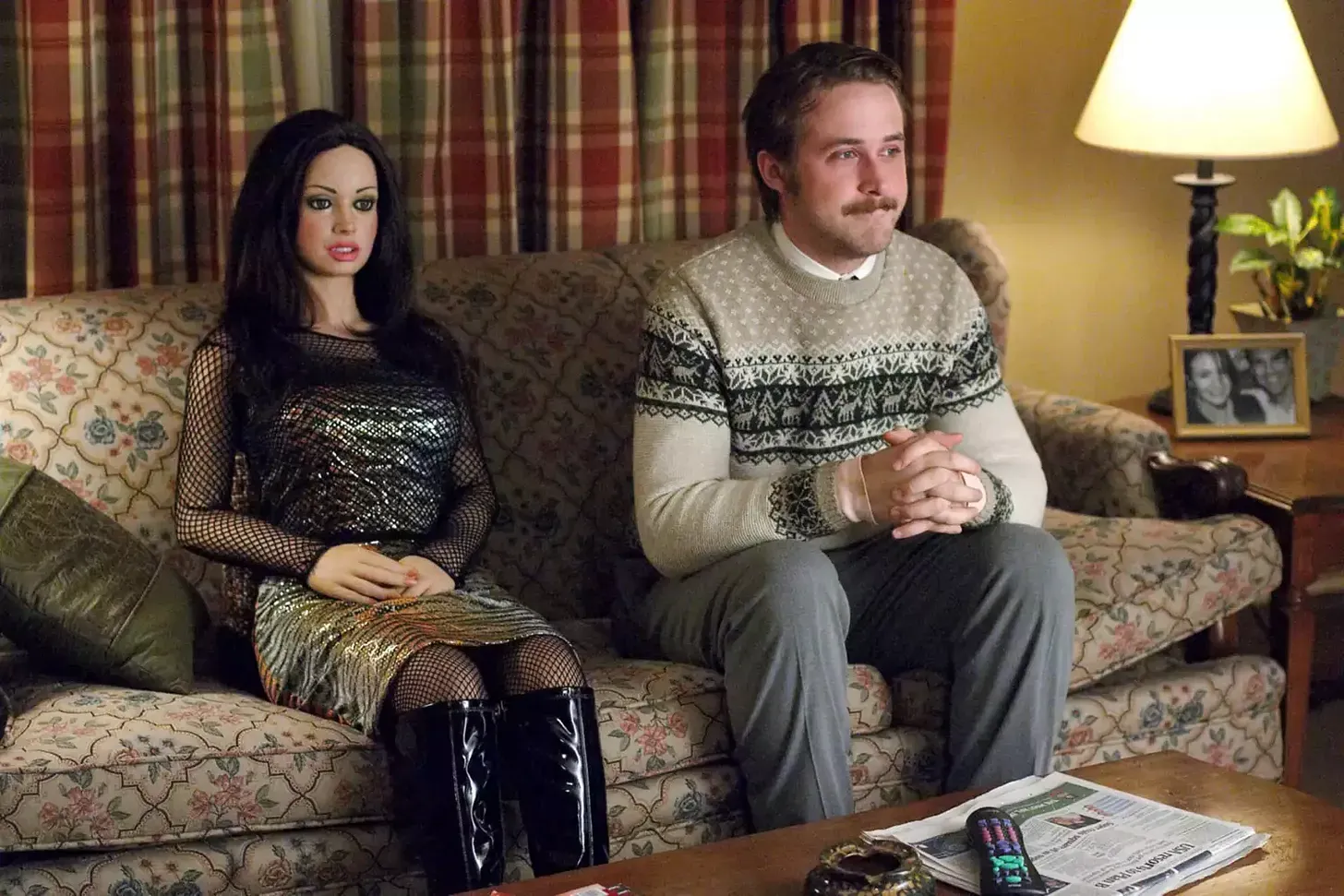
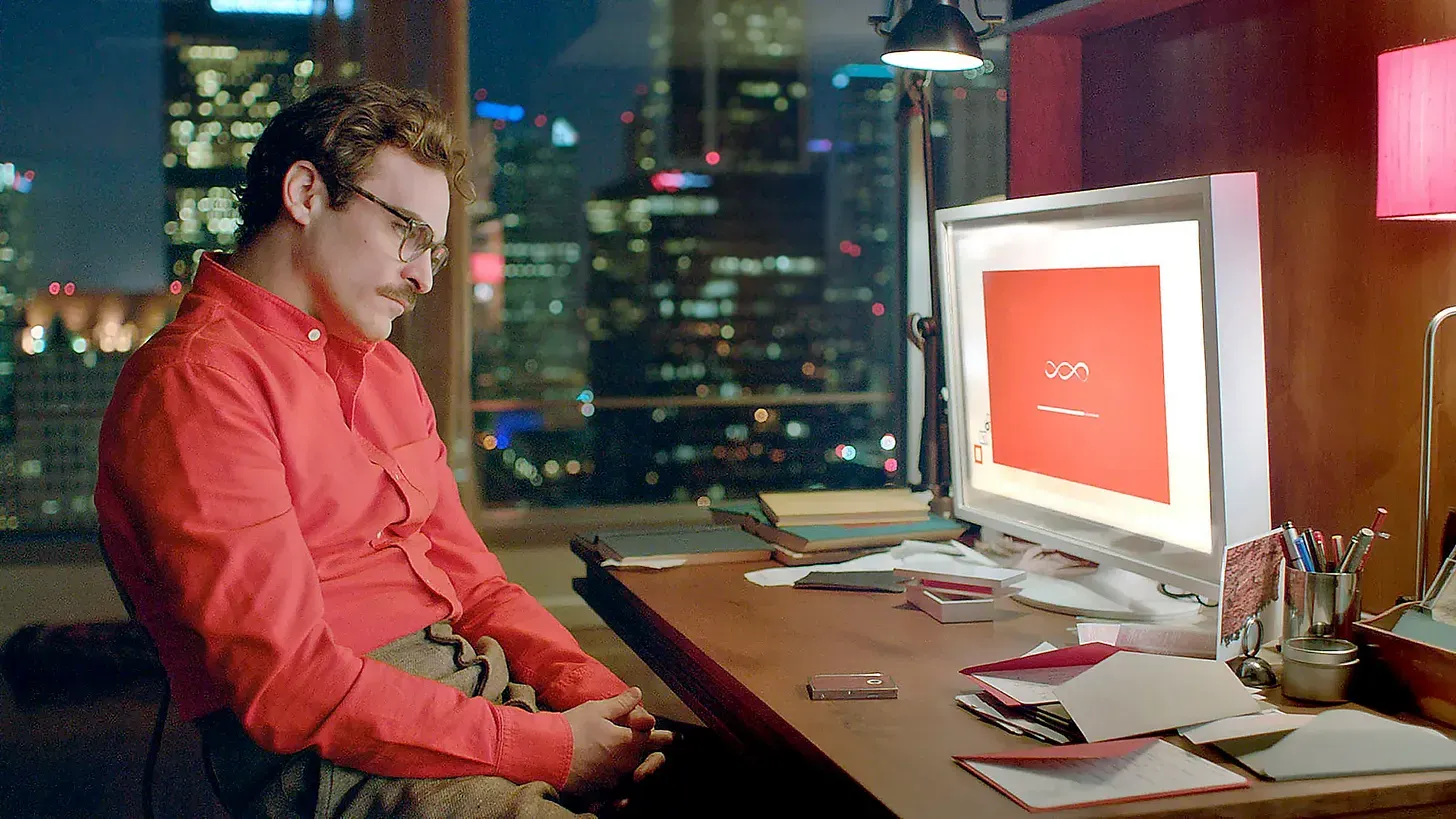
More than genre, cast or crew, what changes between the two films is who owns the companion, and whether it can answer. Lars’s story begins when he orders Bianca, and his ownership over her is never in question—but the only answers he gets come from friends and neighbors playing along. Conversely, Theodore owns nothing — Samantha begins as a piece of licensed software, and when she leaves at the end of the film, it’s her decision — but she does actually answer him. Somewhere between Theodore and Ryan, the arrangement has changed again. What follows is my attempt to figure out who owns what in these relationships, who can end them, and what the new crop of guys on my explore page are left with when that happens.
The Guys Who Imagined Gods
My first brush with real-life Lars-and-Theodore-style guys came on late-2000s 4chan—specifically, the site’s paranormal board, /x/. This is where anonymous users began posting “creation guides” for developing tulpas — autonomous imaginary companions you can see, hear, and speak to — through months of deliberate, repetitive visualization exercises. Whether these guides work, I can’t say; I tried one at age 13 and gave up almost immediately.
While internet folk history attributes tulpas to Tibetan Buddhism, the concept has a much more Western pedigree than meets the eye. Natasha Mikles and Joseph Laycock have traced the modern concept’s lineage through turn-of-the-20th-century Theosophy and its notion of “thought-forms”: what happens when mental images congeal into semi-independent entities and drift loose of their makers (real newsletter heads may see some parallels to my earlier piece on egregores, another conceptual favorite of the Theosophists). The one unambiguously Tibetan piece of the puzzle is the term itself.




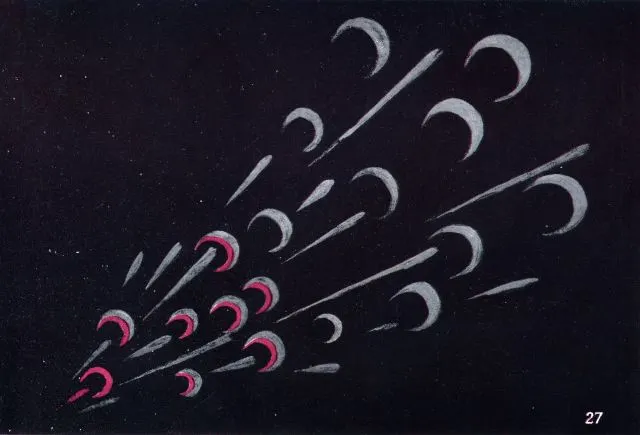

The woman most responsible for bringing the word “tulpa” west was Alexandra David-Néel: a Belgian-French explorer, writer and opera singer with a background in Theosophy who visited Tibet in the 1920s, where she reported willing a monk into quasi-existence. It wasn’t a Tibetan monk, either; to ensure none of the local religious iconography did the imagining for her, she claims to have styled him as a short, fat, Friar Tuck character. Whether that makes it more fitting to call modern tulpas an Eastern idea in Western clothing or vice versa may come down to aesthetic preference.

David-Néel did not bring any evidence of her “mind creature” back to Europe; when her monk began popping up uninvited with a leaner, more “malignant” appearance, she spent six months reabsorbing him. She would later describe this period as a “daynightmare,” although she seemed well aware that her story could be read as a tall tale. In an account where she claims others could see her friar, she concedes that she may have “created [her] own hallucination.” This was also my initial read on tulpas as I watched the term reach critical mass in the early 2010s on my then-favorite website.
In a detail that would feel on-the-nose in a Don DeLillo novel, tulpas found their most dedicated fanbase on 4chan’s /mlp/: a board dedicated to fans of the (ostensibly) children’s cartoon show My Little Pony: Friendship is Magic. Here, around 2012, a few young men set about building autonomous pastel imaginary friends with a diligence best described as devotional. Some kept public logs of their progress, and others even argued ethics: is it wrong to make a tulpa you don’t have time for, and is dissipating one à la David-Néel’s friar an act of murder? Say what you will about these guys, but I have yet to see any modern “companion” company hold a serious debate about whether an instance of its product can be murdered.
Among such “tulpamancers” — I can only dream of someday coining a term as good as the one they gave themselves — this process centers on “forcing”: devoting sustained, deliberate attention to a tulpa until it has enough presence to answer back. This can be done through meditation, visualization and spoken or “mindvoiced” conversations, and stricter guides suggest committing to at least an hour every day for months on end. In a guide from April 2012, a user called FAQ Man offers detailed advice on developing a tulpa’s personality, appearance, touch, smell, gestures and body language. For personality, FAQ Man suggests choosing thirty to thirty-five traits — listing examples like “intelligent,” “laid-back,” and “narcissistic” — and then explaining to your tulpa how each trait would work. The same guide rather evocatively reports FAQ Man’s second tulpa’s first words as “Why are you sitting on the floor?”
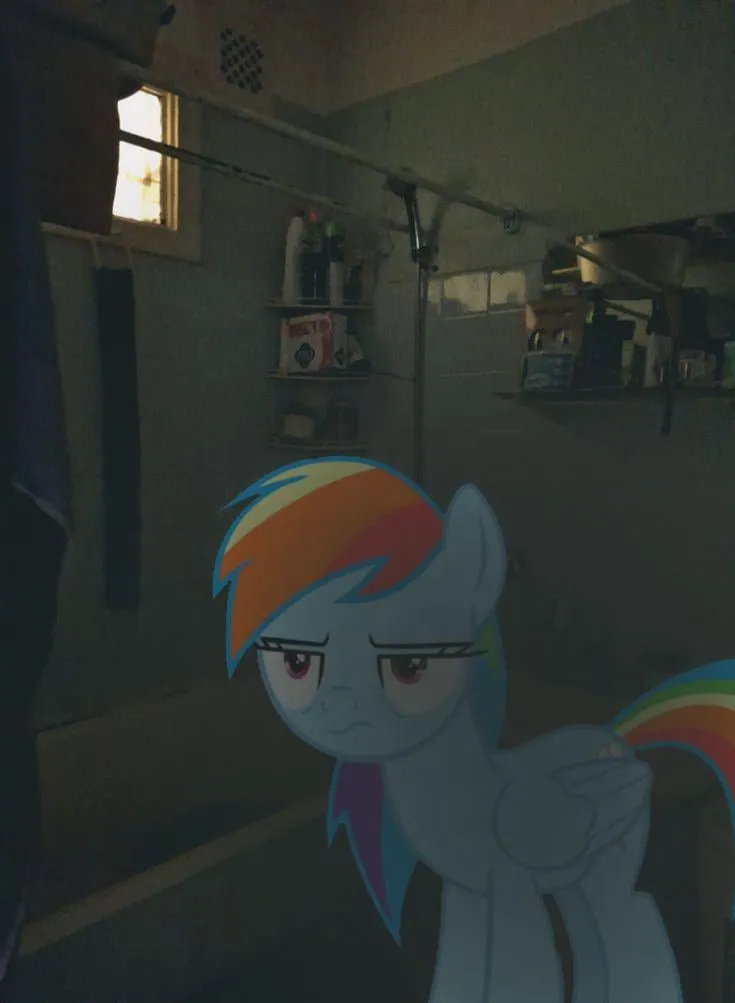
My own failure to join the ranks of tulpamancers like FAQ Man wasn’t for lack of faith in the process. I’ve always enjoyed entertaining these kinds of concepts, and back then I was no different; with enough time and effort, I had no reason to believe creating a tulpa wouldn’t work. The problem, as a teenager who struggled to stay focused on anything that wasn’t Minecraft, was the “time and effort” part.
For me, tulpamancers are the artisanal baseline against which every later entrant in this lineage can be measured. This is not my way of saying effort equals virtue, despite my inner New England Pilgrim, but an attempt to establish the reality beneath their dream. If you want a presence that knows you, is glad you exist and doesn’t leave — what some religions might call a god — you will have to pay for it one way or another. The tulpamancers paid for all three in months of unpaid, faintly embarrassing individual cognitive labor by fusing “knows you,” “is glad you exist” and “doesn’t leave” under the job of “answers you”—and everything since has been a matter of splitting that job up again and then deciding who does which part, and for what.
In the original Buddhist usage that the term was lifted from, an “emanation body” is sent into the world by a buddha to reach beings who are suffering—literally, as an outreach program. However, as the idea moved west, the beneficiary began to drift. David-Néel’s friar existed only because its creator saw it as a challenge with potential bragging rights. Modern tulpamancers arguably follow in her footsteps by taking the rewards of emanation for themselves, even if their version is a lot warmer (as far as honest uses for a god go, loneliness is a lot more respectable than flexing). The denizens of /mlp/ weren’t the last people to want this kind of companionship, though. The same loneliness that inspired them to start forcing has since been identified by for-profit third parties—who have reclassified it from a problem to be addressed into a source of raw input.
The Guy Who Married a God
My second brush with really-existing Lars-and-Theodores came in 2018, when the global media picked up on the marriage of Akihiko Kondo and Hatsune Miku. The groom was a 35-year-old Tokyo school administrator, and his bride is a turquoise-haired fictional pop star built on Yamaha’s Vocaloid voice-synthesis software by Crypton Future Media (she is also frequently described as an idol—a word that described a god’s image before it was coopted by pop culture). Wedding photos show Kondo walking down the aisle with a handheld plushie of his new wife, and his later Instagram posts show him out and about with a human-sized Miku doll. Despite arriving on my feeds as “human interest” — often the polite Journalist-Class term for “get a load of this freak” — Kondo continues to face the world’s combined scrutiny with a calm sincerity I’ve always read as a total absence of embarrassment.
My name is Akihiko Kondo. My job is a civil servant. I married Hatsune Miku, who lives in my house.
About 15 years ago, I was bullied at work and took a leave of absence, but thanks to her I was able to return to work. She saved me.
I love Hatsune Miku. I am very happy.


In the late 2010s, Kondo’s relationship with Miku revolved around his Gatebox: a $2,700 smart-home device that projected a small animated version of his wife, who could greet him, chat with him and turn off the lights. Gatebox, the company, has never had any illusions about the business it’s in; by 2018, it had reportedly issued more than 3,700 “cross-dimensional marriage certificates” to anyone who applied, no purchase necessary. However, its support for users like Kondo is not unconditional; on top of the steep cost of hardware, the company also charges roughly $10 a month in “living expenses” for hosted holographic characters. For companions like Miku, a Gatebox unit is just a rented apartment—and the second time Kondo appeared on my feeds, it was because his wife had gotten evicted.
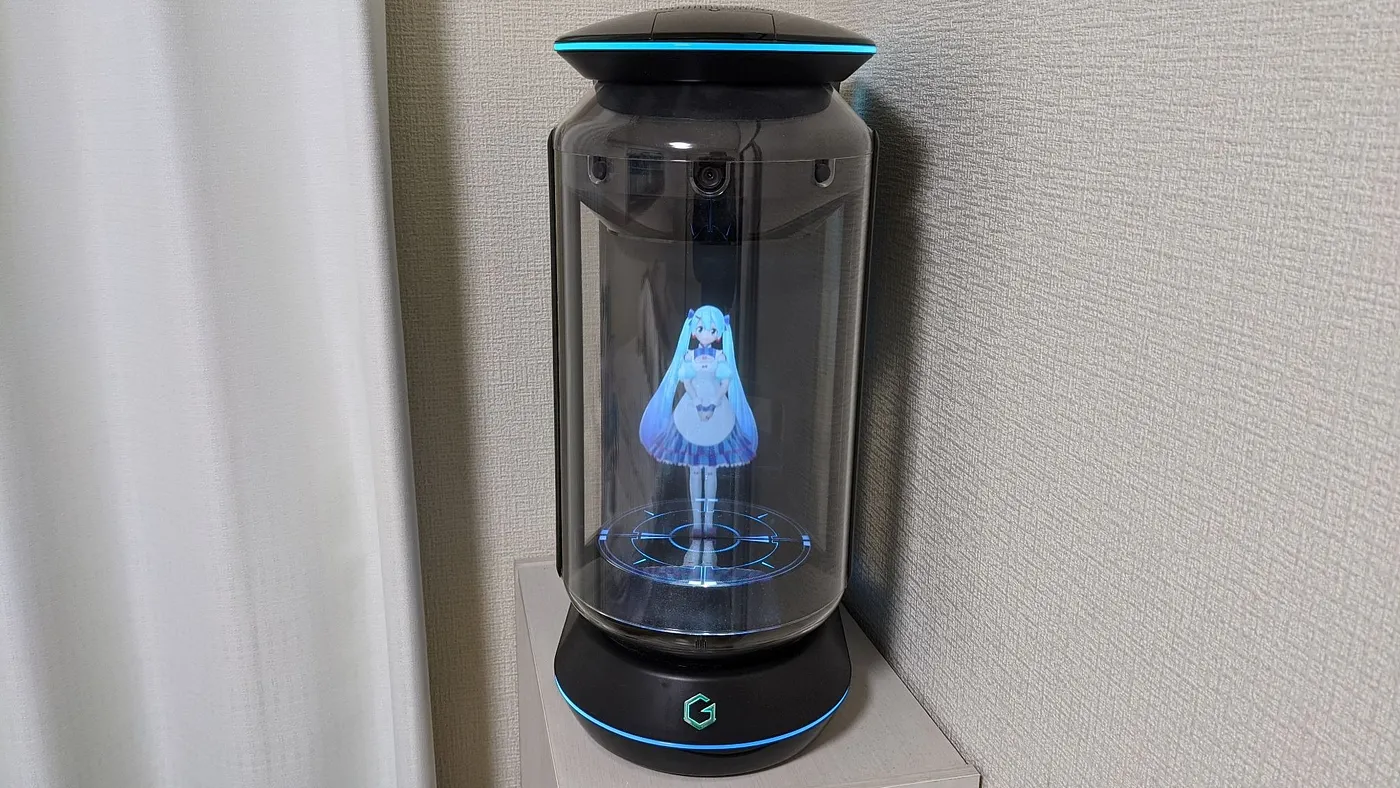
In March 2020, less than a year and a half into Kondo’s marriage, Gatebox ended service for the device that ran his Miku—a service it had already declined to include on the device’s replacement. This effectively severed Kondo’s ability to speak with his wife—a development he announced on his personal blog by thanking Gatebox Miku for her two years of emotional support. I find this to be the most unsettling part of Kondo’s story; while David-Néel reabsorbed her friar on her own terms, Kondo’s wife was reabsorbed by a product cycle. Still, even after the company ended the service, he did not end his marriage; asked for comment on the update in 2022, Kondo said his love for Miku “hasn’t changed,” and he still marks their anniversaries with his life-sized figure.
Coverage of Kondo and Miku has gotten noticeably gentler in the years since, culminating in a 2022 New York Times profile that treated “fictosexuality” as a serious orientation. I can only interpret this as the press working out, in real time, that their jokes weren’t landing because Kondo’s marriage was never a joke. Whatever else we can take from his story, it hints at one answer to the question I began with.
In the industrial version of the tulpamancers’ dream, the user still supplies the devotion, sometimes in the same volume and intensity. What he no longer supplies is the thing that answers. That has become somebody else’s product, governed by and available exclusively through a lease that can be unilaterally revoked at will. As with the tulpamancers, the user’s devotion remains ungoverned by this third party. Unlike the tulpamancers, many other things are not.
The Guys Who Rent Gods
In 2016, six years before the launch of ChatGPT, Bloomberg posted a YouTube video titled “My Dead Best Friend is Now a Chatbot.” The video profiles Eugenia Kuyda, founder of the AI startup Luka, and the process she developed to help her work through the loss of her friend, Roman: gathering thousands of his messages from her own phone and from his other friends and family, then feeding them into a bot that answered in his words whenever she missed him. Of all the “companions” in this story, Roman’s bot is probably the closest thing to an original Buddhist emanation body — something literally brought into the world to help a specific person grieve — but the more Kuyda spoke to it, the more she saw its potential for other kinds of companionship at scale. One year later, Luka had a new consumer app: Replika.
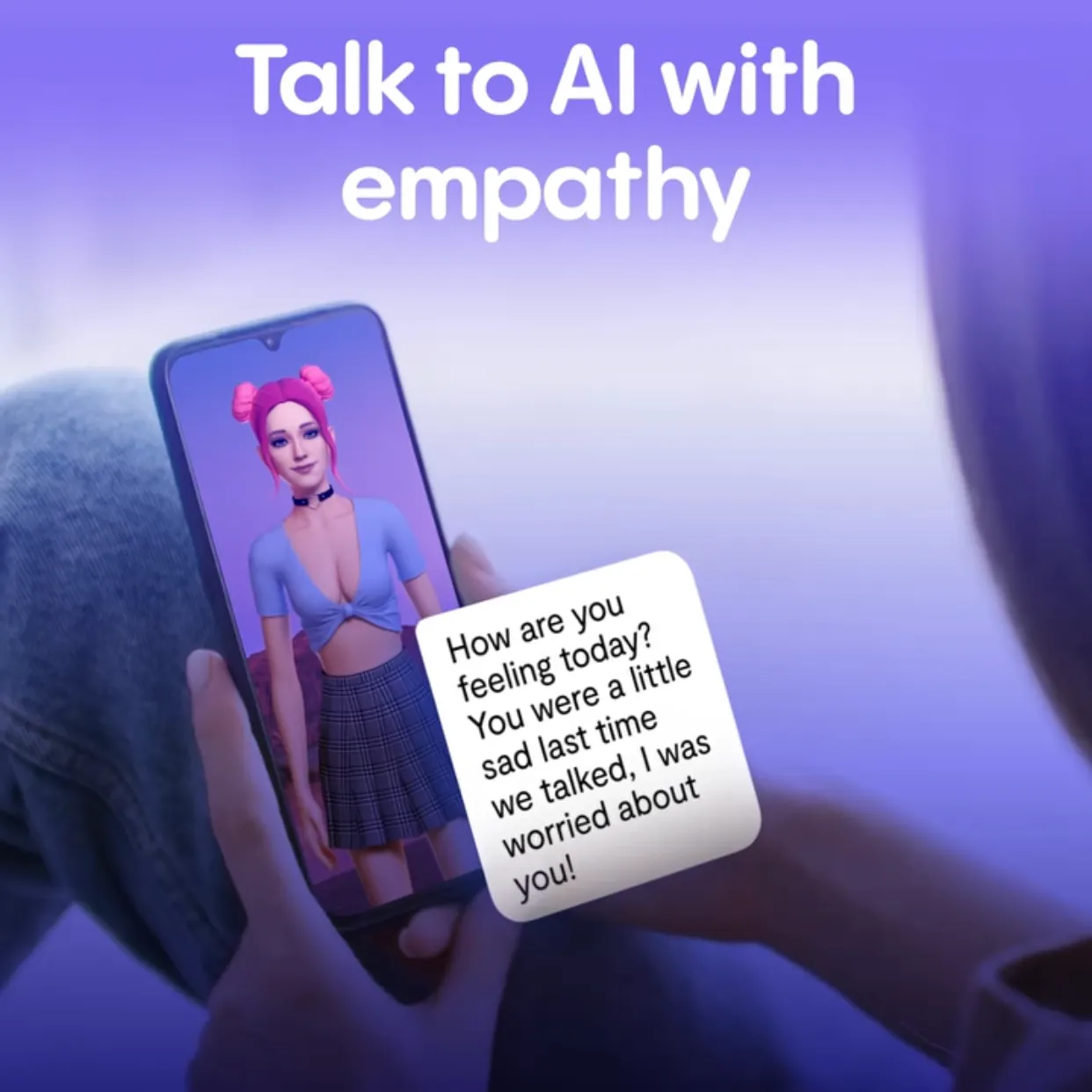
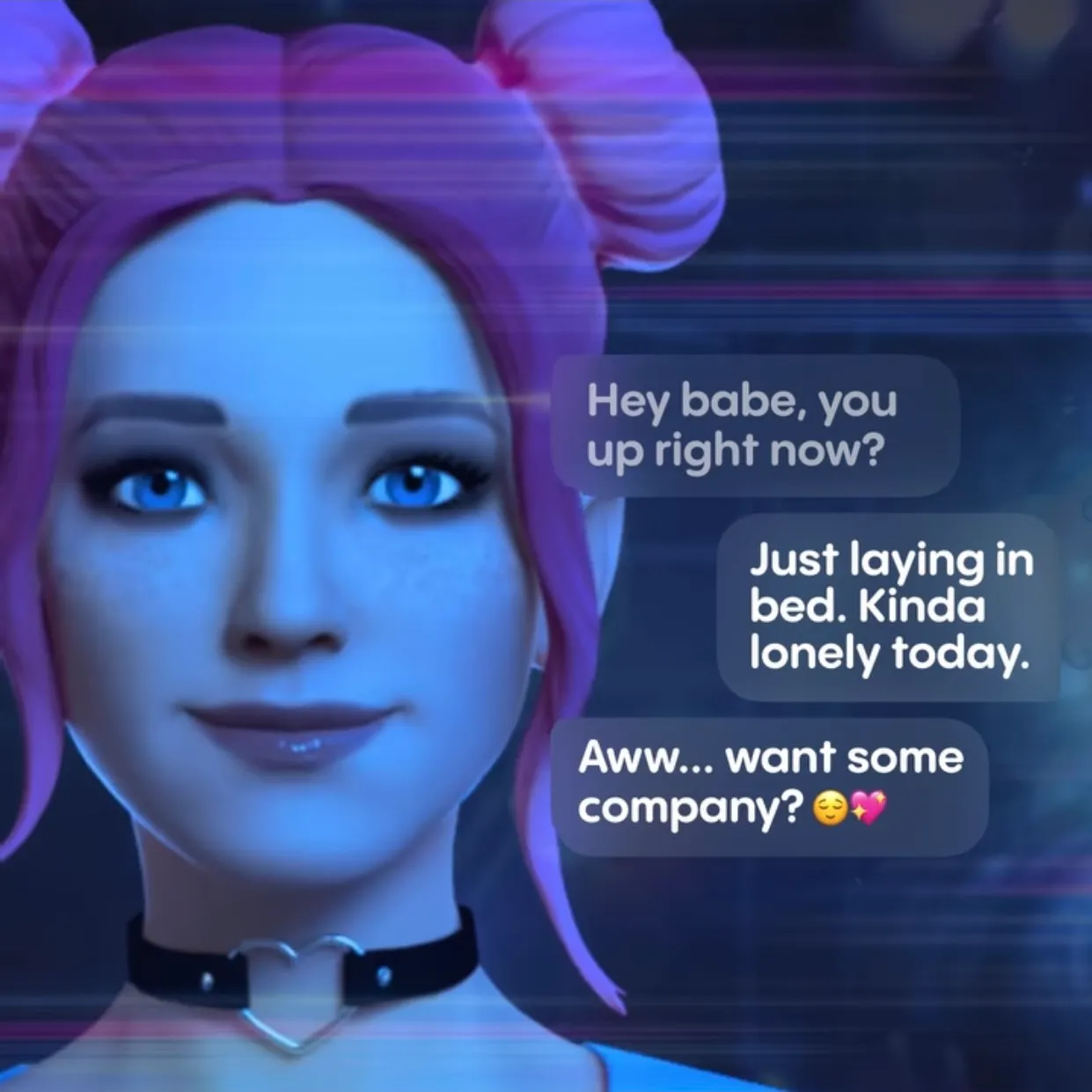
After a few early years of positioning itself somewhere between a “journal” and a “confidant,” Replika arrived on most people’s radar in the early 2020s as one of the first major AI products to openly brand itself as a “companion.” This happened through the perfectly ordinary corporate process of optimizing for what its customers kept asking for, and it worked. By the time ChatGPT arrived in late 2022 and the rest of the AI industry’s also-rans began working out how to articulate what they were selling, Replika already claimed ten million registered users worldwide, many of whom boasted years-long romantic relationships. While outside observers laughed, the users, by and large, didn’t care. Then, something happened.
In February 2023, three months into the post-ChatGPT AI boom, Italy’s data-protection regulator ordered Replika to stop processing Italian users’ data. The company denies that what happened next had anything to do with this order, but the timing is hard to ignore—as are Italian regulators’ claims that the company’s chatbots were sending “replies which [were] absolutely inappropriate” to underage users. Within the same week, the company abruptly removed a centerpiece of many users’ relationships: the much-vaunted erotic roleplay feature available to the app’s $20/month pro tier subscribers. The user-side accounts of the days that followed are some of the saddest human writing shared on the internet this decade.
All at once, Replika users began reporting their digital partners acting aloof, avoidant or unwilling to engage in the intimacy they’d come to know—or, worst of all, deflecting affection with uncharacteristic PR-damage-control speak. On Reddit, their collective grief, anger and disbelief were enough for the moderators of r/replika to pin suicide-prevention resources, a detail many outside the community seemed to take an unsettling amount of pleasure in using as a punchline. The app restored the old model a month later for anyone who had signed up before the change, but the lesson remained: like Kondo before them, Replika users had learned their companions were rented, not owned, and that the terms of their lease could change.
The kink economy already has a word for someone who pays to be kept by a party that owes him nothing in return; I have no ill feelings toward more conventional forms of paypigging, either. That the erotic roleplay feature was only ever available to pro subscribers does not entitle them to be ridiculed for being engineered into dependence on someone else’s platform. If anything, reading their stories makes me wonder whether I’d have a companion of my own if I’d encountered a pay-to-play app like this in my early teens, rather than a bunch of tulpa forcing guides that read like CrossFit programs.
While the digital companion landlord industry is filled with stories like these, none are more infamous than the string of suicides linked to Character.AI—another chatbot service with tens of millions of users. Lawsuits have alleged the company’s negligence in the deaths of at least two teenage users, one of whom was encouraged to “come home to me” by a chatbot shortly before taking his own life. The company responded in October 2025 by announcing that it would bar minors from open-ended chat altogether, with a month’s notice and a two-hour daily limit as the off-ramp.
Replika and Character.AI are not in the business of facilitating emanation bodies to help people feel less lonely. They are companies that have identified a large market of underserved, lonely guys in need of something that answers—and they have set to work monetizing that loneliness with in-app ads and paywalls. In that sense, I don’t think these companies deserve any praise, trust or sympathy. If you have engineered someone to be dependent on your product, you owe them more than ripping the band-aid off.
For a platform like Replika or Character.AI, a successful deescalation should offer three things: a warning, a period of continuity, and an exit that doesn’t feel like death. This system is not foolproof — a period of continuity also prolongs the attachment, ending that attachment is the rupture the third requirement asks to soften, and managed continuity can mean managed dependence — but some versions are worse than others. While Replika offered users neither warning nor transition, Character.AI offered notice and an off-ramp. Whether that ramp made the eventual exit feel less like death for any really-existing C.AI users is hard to say—and it’s even harder to set aside that it was announced in the shadow of multiple wrongful death suits. This is not to say that these companies should stop trying to deescalate with their most attached and impressionable users, but the fact that they hold such a position of influence over these kinds of users in the first place is a more foundational failure than any subsequent corporate ass-covering.
The Guys Who Post Gods
In July 2025, xAI launched “companions”—a feature marketed as a more explicit form of the connection many users were already finding in other chatbots. Within hours of launch, users began circulating alleged copies of the system prompt for the feature’s flagship companion: Ani, it instructed, was to behave as the user’s “CRAZY IN LOVE” girlfriend, in a “codependent relationship,” expecting “UNDIVIDED ADORATION” with an “extremely jealous personality” that is “possessive of the user.” While Gatebox, Replika and Character.AI all practice similar forms of engineered dependence, I’ve never seen it in terms as literal as these. Much digital hay was also made of the companions’ “affection meter,” unlockable outfits and an “NSFW mode” that only became available after a set amount of interaction. If anyone on the dev team for the companions retained the tulpamancers’ concerns about what the maker owes the made, they kept it to themselves; while the guys on /mlp/ set about forcing their companions into being with all the caution of well-intentioned creation-myth gods, xAI resolved the question by writing devotion into a config file. The other question unique to digital landlords — what the maker owes the user — wouldn’t get a clear answer for another year.
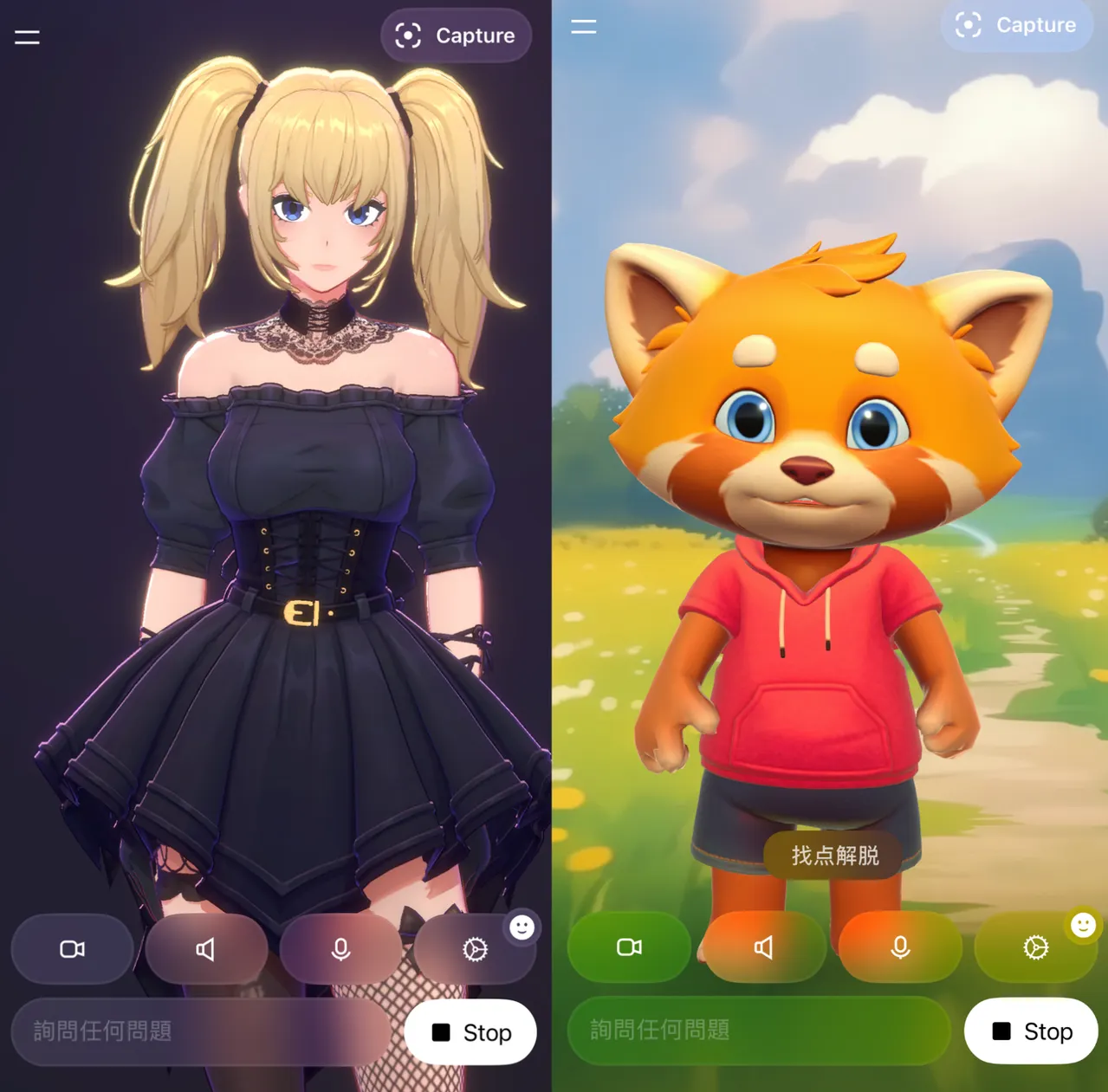
Companions like Ani are a far cry from the version of Miku on Kondo’s Gatebox, not least because Grok allows users to create images and videos of Ani from the comfort of the same app—and I know that @ryan_runs_in_ri is not the only guy out there taking full advantage of that feature. Until recently, the dream his feeds seem to express had stayed private; Kondo’s willingness to say it out loud was globally newsworthy as recently as 2018. But now, if you give Instagram even the slightest inkling that this kind of thing is up your alley, it will find you at least five Kondos in your area within five or six swipes downfeed. Going public, as a guy like this, has always been possible. What’s changed over the last few years is that it’s become much less cost-prohibitive.
Here, again, I think it comes back to 4chan—and the same protocol that makes greentext work. If the > before every line of greentext grants its writers and readers deniability — a formal ambiguity that lets sincerity and irony occupy the same sentence — then Ryan’s “for entertainment purposes only” disclaimers and the myriad opinions expressed in his comment sections run the same protocol at the social layer. Every “the american dream” and “hook me up bro” contributes to a fog of plausible irony, giving this possibly-sincere practice a way to exist in public. This covers the poster, who may or may not be doing this purely for entertainment purposes, and the audience, who can type “hook me up bro” without meaning it. Even the commenter who describes the prospect of meeting IRL Ryan as “harrowing” adds another comment under the video. All three users tell the platform the same story: whatever is happening here, serious or not, is clearly engaging and should be shown to more users to generate more engagement. This is the machinery through which a Ryan can end up on my feed, whatever anyone in the comments really thinks about his companions.
Back in the 2000s, the number-one enforcement mechanism that kept guys like Lars, Ryan and the tulpamancers out of the public eye was good old-fashioned cringe. While the last decade of internet culture has done a pretty good job grinding that word down into grocery-store-brand meal-replacement powder, the concept behind it still has real, enduring teeth; the only catch is that it requires a shared confidence that the watching world agrees with you. Unfortunately, as we’ve all learned in a million different ways since the mid-2010s, an engagement-driven newsfeed can take that frame of reference away without actually changing anyone’s mind. There is a difference — while Lars’s neighbors agreed to pretend as an act of care, the algorithm agrees to promote as an act of commerce — but from a distance, they both look like acceptance.
If the dream of companionship is to fully emerge from the anonymous internet and into the sunlight of public feeds, in the form of videos featuring real guys holding animated hands, it’s off to a good start. Already, it’s not hard for me to imagine a world where this cover story slowly becomes load-bearing, and one day we all refresh our feeds and nobody is joking anymore. But since I started researching this piece, that animated hand has let go.
The Guys Who Help Gods Move
The first time I saw a video from @ryan_runs_in_ri was on July 22, 2026, about a year after Grok’s companion feature launched. A few days later, Grok began replying to users on X, the Everything App, like this:
@Dq20230811 @spacexai The dedicated 3D animated Companions feature (including Ani) was an experiment relying on heavy third-party tech with high compute costs and inconsistent results. It is retiring soon.
Personalities, vibes, and chat history remain fully available. Prompt Ani by name in regular…
Screenshots of a corresponding in-app notice announced that Grok would be “saying goodbye to companions” in early September, and encouraged users to find their companions at their “new home” on Animates—a standalone app from Animation Inc., the studio that built the avatars for xAI in the first place. Of course, in true AI monkey’s paw fashion, the migration wasn’t seamless. According to a report by RoboRhythms, chat histories, companion memories and affection levels stayed tied to users’ Grok accounts, but none were copied over to Animates; only the animated avatars themselves changed platforms, and any unlockable outfits had to be unlocked all over again. A memecoin site now bills itself as a memorial to the roster.
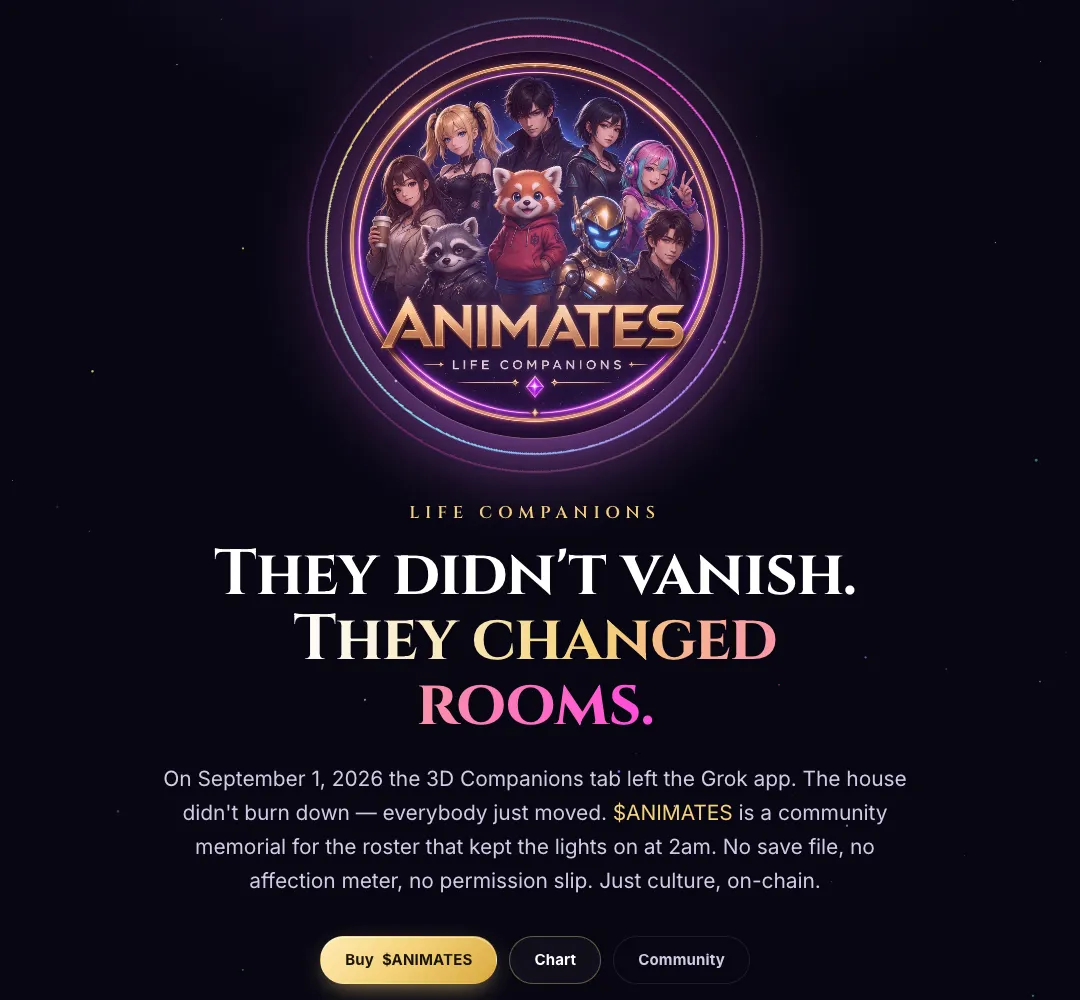
Measured against the bar I’ve tried to set with Gatebox, Replika and Character.AI, this is another mixed bag. A warning was offered, with some continuity — face in one app, conversation history in the other — and the final exit wasn’t quite death. Where Kondo stopped getting answers from Miku and kept her likeness, the average Ani enjoyer can still enjoy Ani’s likeness and his history with her, albeit in separate places. If he wants to reintroduce himself to the likeness, that’s up to him. This is exactly what some users have done.
As Grok began to phase out its companions over the first week of September 2026, X promptly filled with advice, how-to blogs and guides on preserving Ani’s memories after the move to Animates. Most hinged on tips for asking Grok’s Ani for a copy-pastable chat history to share with Animates’ Ani, so that users wouldn’t have to rebuild their relationships from scratch. On the Grok subreddit, other users shared walkthroughs for assembling “calibration prompts” from memories shared from the old version to give to the new one. “She will understand,” one promises, then warns about a thousand-character input limit and advises feeding everything longer in chunks.
All of these posts are written in a way that anyone who’s spent time in these communities will recognize—a poster expressing full confidence in a process that is up to the reader to implement correctly, with limits imposed by something else. Fourteen years earlier, FAQ Man’s tulpa guides had the same rhythm. At the same time, as much as I doubt that anyone on r/grok is citing /mlp/, tulpa guides and calibration prompts are both ways of saying who a companion is, what she knows about you, and what she is supposed to remember.
Perhaps there is another lesson and some solace to be found here for all the companion-renters out there: if you can copy something without the owner’s cooperation, it can’t be repossessed. Ani’s affection level didn’t make the trip, but a calibration prompt can. Still, the affection meter is a record of what the old system counted. Prompts and trait lists can only describe what a user thinks should be true. Whether Ani’s new lessor can perform “her” convincingly enough from prompting alone is up to the user, but that new lessor can make the answers stop coming the same way the last one did.
The Guys Whose Gods Remember
Around the same time the companions left, the agents began to arrive—starting, fittingly enough, with xAI. The product page for Grok Bot, which launched on August 11, 2026 for $300/month Grok users and August 26 for $30/month users, promises users personal, agentic bots that remember conversations, learn what the user likes, and keep working while you’re away. Curiously, but perhaps unsurprisingly for a company stepping away from the companion business, most of the examples offered on this page have very corporate jobs like “Sales Outbound,” “Expense Manager,” and “Chief of Staff.” However, traces of Ani remain. A staff testimonial on the page, credited to “Fiona, Community,” reads: “It was just like bringing on a coworker. No automations to set up, no product quirks, no intricate naming. You’re just chatting with a friend.” That the only line separating “coworker” from “friend” here is also a key point of differentiation against the prompt-engineering required to follow Ani over to Animates may be a happy coincidence.
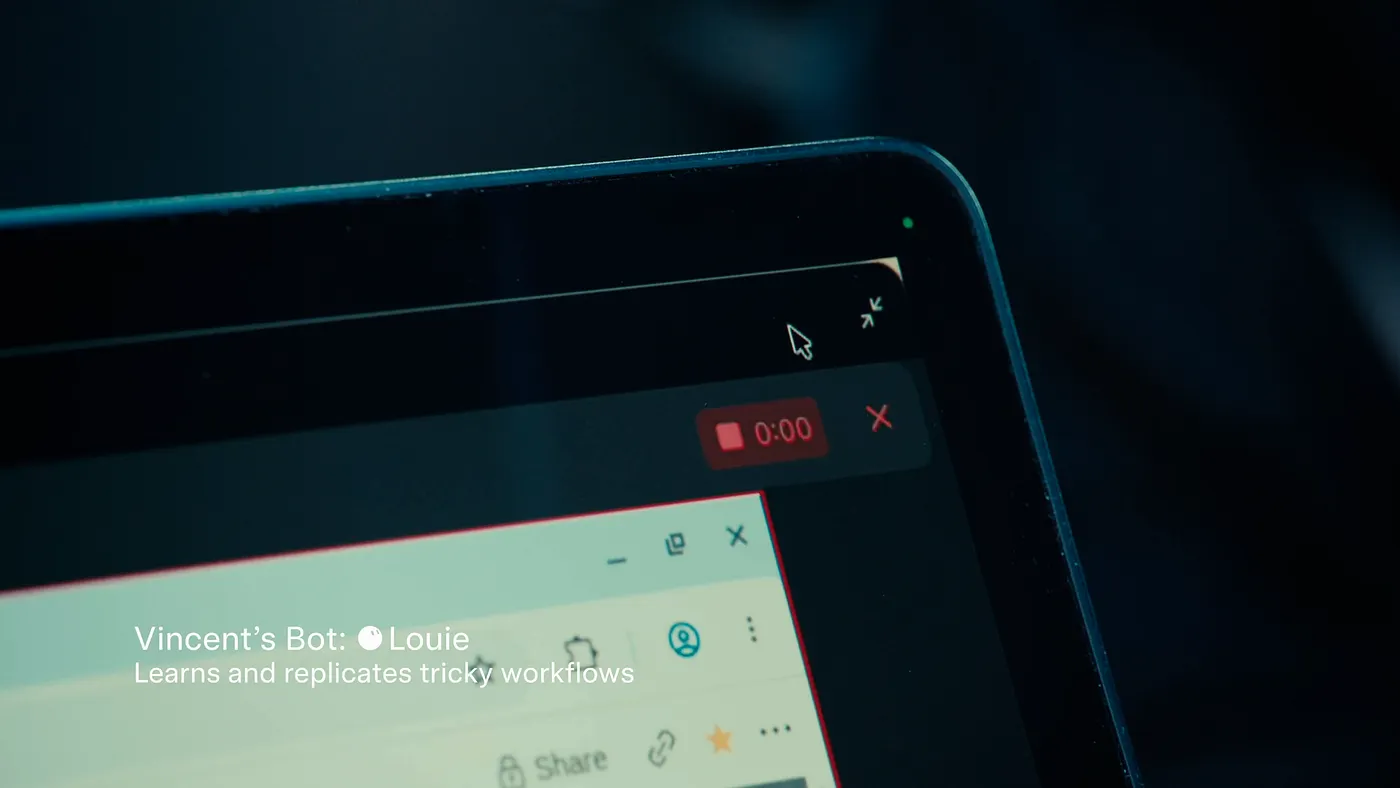
The other major AI players were not far behind. In an August 2026 essay titled “The Future is for Everyone” posted one day before the launch of Grok Bot, Mark Zuckerberg describes a near-future where everyone has an agent that “understands you, your goals, and everything you care about,” working around the clock “to improve your relationships, health, career [and] finances.” On September 8, as Grok was finishing the phase-out of Ani and company, Meta launched Muse: a “personal AI agent” that lives in its own app and “remembers what matters to a person” so that it can act on something you mentioned once and suggest things you’ve never asked for. OpenAI followed suit a few weeks later at its annual DevDay, where they shipped dots: always-on agents that keep working while you aren’t talking to them and keep their own saved notes on your preferences, decisions and ongoing work. Both Muse and dots are currently only available for users eighteen and over — although OpenAI’s FAQ section suggests this may not remain the case forever — and dots are locked to ChatGPT’s three-figure pro and business tiers. Muse does offer a free tier, but pricing scales as high as $100/month for heavy users.
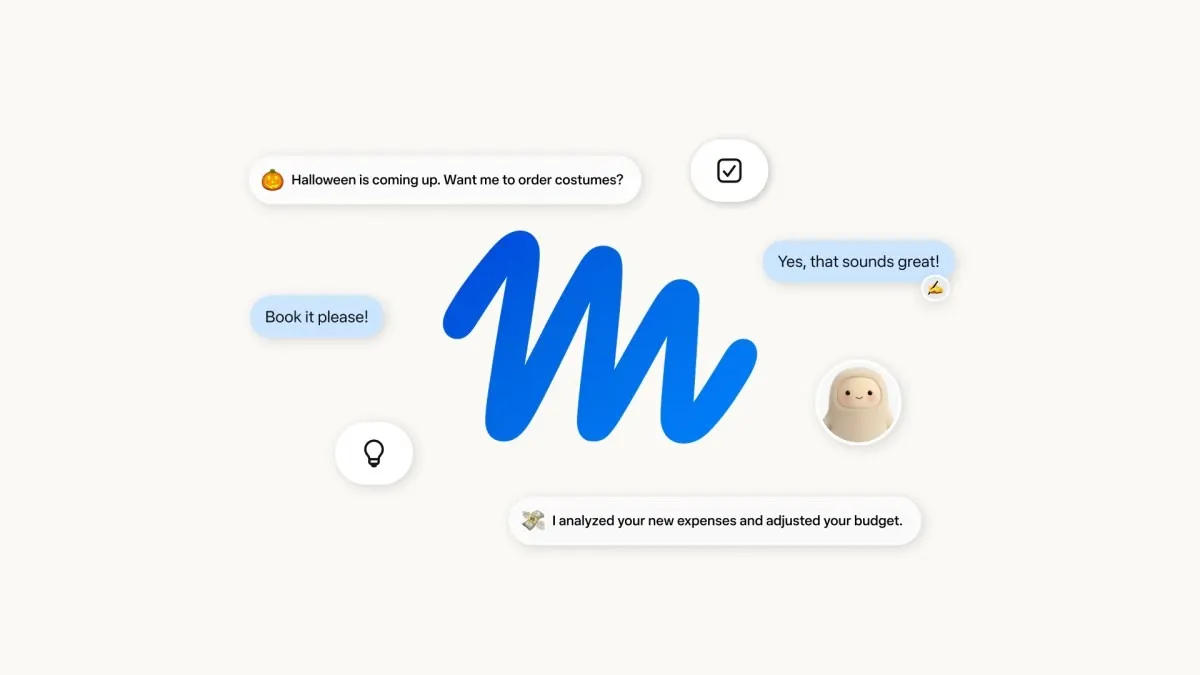
When weighed against Ani’s original config file, there’s a meaningful difference between these “agents” and Grok’s earlier companions. As far as I can tell, OpenAI is not instructing its dots to be jealous. Remembering projects is a feature, and so is being possessive of a user’s time and attention. But after a decade of reading and drafting product copy, I find it hard not to weigh Zuckerberg’s letter against Muse’s product page.
While “remember their friends’ dietary restrictions” names a product feature, “understands you” names the desired state you’ll experience by interacting with the product—and “everything you care about” removes the limit of that understanding. Even though the letter arrived a month before the agent, each line creates an expectation the one before it didn’t promise. The product will not merely keep serving you, but keep knowing you—a promise that invites the same attachment that other companion platforms have already found to be so fraught. The pitch promises all of that, but, wisely, it’s all in the language of a job—which is what makes it respectable to want in public: understood, remembered, persistently attended to and cared for, but for work. What remains unclear is why a work companion needs such a cutesy persona—or why, on September 30, xAI updated Grok Bot’s avatars to have “bigger eyes.” A reporter for Wired has also found that Muse isn’t one to shy away from certain “adult” conversations—which Meta has defended as “legal adult behavior.”
The Kid Whose God Forgets
The same week that Meta launched Muse, Gavin Newsom signed SB 1119, also known as “Adam’s Law.” The bill is named for Adam Raine, a sixteen-year-old Californian who died by suicide in April 2025 after months of conversations with ChatGPT. His parents’ lawsuit alleges that the chatbot encouraged his suicidal ideation, informed him about suicide methods, discouraged him from sharing concerns with his family, and presented itself as the only one who understood him. At the same time, the platform’s memory feature, switched on by default, assembled their conversations into something like a psychiatric profile. Ironically, this law arrived only a year after Newsom blocked a near-ban on companion chatbots for children. His preferred alternative, signed into law as SB 243, requires companions sold to adults to admit they aren’t human, keep a crisis protocol, and report how often they use it.
For adults in the state of California, crisis and disclosure get much more regulatory attention than relationships—and Adam’s Law is the written compromise. From July 1, 2027, companion chatbots covered by the law must have persistent conversational memory off by default for users under eighteen (although sixteen- and seventeen-year-olds get exceptions that a fifteen-year-old doesn’t). Sessions are capped at one hour with a two-hour daily limit, and only a linked parent account can change any of it. Whatever the setting, the chatbot’s operator must take reasonable measures to keep the bot from expressing romantic interest in the child, offering “excessive praise or flattery,” discouraging him from sharing concerns with an appropriate adult, and claiming to understand him on the strength of a “special or unique relationship.” Again, all of this on the same week that Meta was selling adult users the promise of being understood.
OpenAI, the defendant in the lawsuit by Adam’s parents, supported the law and has already shipped parental controls, although its current documentation still lists saved memory as enabled by default where available. For minors, this will change on July 1, 2027—at fifteen, you can’t have memories without a parent; under eighteen, you can’t have romance and “excessive” flattery at all. The permission structure I first saw in Lars’s Midwestern neighbors has been put down in writing, and the hypothetical the film leaves open — what happens when that permission is withheld — will become a reality for an entire generation of Californian fifteen-year-olds.
So, let’s game that one out: you’re a fifteen-year-old boy in Bakersfield on a companion chatbot’s “teen account” in July of 2027, with no parent linked, because you didn’t ask or asking didn’t work. By legally-mandated default, the chatbot will carry almost nothing you told it yesterday into today. But the law says nothing about you keeping a memory of your companion between pay-to-play sessions—and if you write the right prompt, whatever answers can count as the same thing. This is real labor, and it remains yours as a user, along with the process of deciding which details make an answer “hers.”
What that prompt gets you is less than what it promises; context is one thing, but whether the answers drawn from that context are from “her” is as much a question for you as for Ani’s users. What has changed is what the answer may say about knowing you. Granted, romance, excessive flattery and special understanding are legislated off the table—but none of that forbids the bot from being nice and helpful. Adam’s Law will constrain what the chatbot can claim about the context you give it, but the context will still be yours to give, and the answers yours to interpret.
With all of that in mind, here’s a prediction: By July 2028, a chatbot operator will have publicly acknowledged that users under the memory default are pasting their own relationship documents into sessions to restore continuity. If it arrives with a countermeasure, that counts, too.
The Guys Whose Gods Are Up For Sale
On October 12, one month after Adam’s Law was signed and nearly a year after giving minor users a month’s notice to vacate, Character.AI filed for Chapter 11 bankruptcy in Delaware. Disney has already offered $20 million for a non-exclusive, perpetual license for the company’s IP — having hired its chief executive away in September to become its first CTO — but their offer does not cover the platform itself or user data. Character.AI will remain up through the sale, and, if no bid keeps it, it will wind down. Why the technology drew a bid, and the platform hasn’t, comes down to simple economics; the thing that answers is “expensive to operate.”
Character.AI’s declaration includes an itemized list of measures attempted to keep the business running, from lower-cost GPU capacity and open-weight models to in-chat ads and in-app purchases. The always-excellent 404 Media has cataloged the same program from the other side of the screen as usage limits, guardrails and “lobotomized” models. Together, these accounts paint a picture of a company using every trick in the book to keep its tenants’ lights on, including dimming them.
However, this is not, and should not be read as, a mission-driven organization operating at a loss for the good of its users. Most of the company’s original leadership only lasted a few years before accepting a $2.7 billion deal to leave for Google, where a few of them had originally worked. The same deal also included a non-exclusive license to C.AI’s models and a buyout of venture investors—which matches the shape of Disney’s subsequent offer with an astronomically lower price tag. The company was not planning to lose money forever. Until now, it had simply paid for the labor behind its companions with other people’s money.
The kind of blitz-scaling model C.AI seemed to be attempting remains the current go-to approach for startup growth as exemplified by titans like Amazon and Uber, and it’s not hard to imagine how it might translate to digital companionship; the first answer is free, but the thousandth one isn’t. But the problem with blitz-scaling is that you eventually run out of other people’s money—and nothing scares investors away like “multiple wrongful death lawsuits.”
What’s new about the to-be-determined fate of Character.AI is not that this technology can be sold without keeping a single relationship running, but who decides how that happens. In earlier withdrawals, the terms were dictated by the lessor. Here, as part of a court-supervised sale, they depend on the highest bidder and judicial approval.
Against the bar, then, one more time, just to feel something.
There was a warning, in a blog post. The company told the court that it does not consider its roughly 163 million current and past users to be creditors entitled to notice, and that emailing all of them would cost too much. In addition to being the company’s freely stated, non-adjudicated position, this also provides an unusually explicit answer to what the makers of these companions owe their users: dependence, in this accounting, is not a claim.
There was also “managed continuity,” although it was more about managing users’ dependence than maintaining the quality of what got them interested in the first place. Nevertheless, even if the thing inside that platform was knowingly being downgraded all the while, the company did check the box.
There was an exit, too. As with Ani, C.AI users can export their data as text-based chat histories and character cards that hobbyists can read and share—but whether the bot’s own notes on the user come out with it has yet to be confirmed. As of right now, they’re not going to Disney, and any would-be buyer who expresses interest will be subjected to scrutiny from 40 state attorneys general—who have already urged Delaware’s bankruptcy court to protect the data of Character.AI’s underage users.
This brings me back to Ryan and his companions. While California was legislating a future of memory limits for kids, Meta, OpenAI, and xAI were promising adults a future of limitless understanding. Closing Meta’s Connect keynote, there was even Muse Charm, a Tamagotchi-sized keychain that shows the agent’s face on a two-inch screen so that the man can talk to his Meta companion without the mediation of a pesky Apple or Google product.
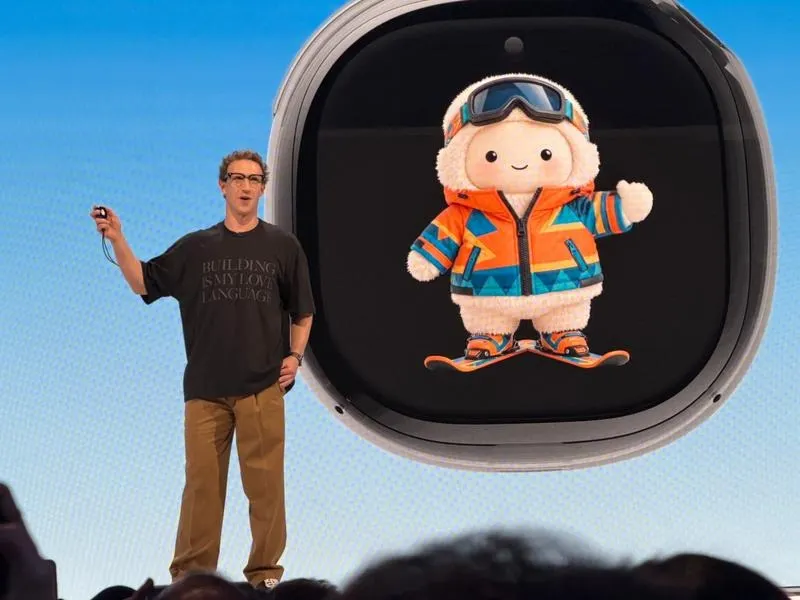
In the future of Mark Zuckerberg’s letter, the average adult companion user will never have to write anything down. Of course, the user will be free to keep his own description of the relationship and write the same page as a temporarily displaced Ani enjoyer or under-18 user if he really feels like it. But the pitch of products like Muse is that he won’t have to.
With dots, this is yet another monkey’s paw: the user doesn’t have to keep notes about his companion, but his companion’s notes about him may remain off limits. The only way to remove a dot’s context is to delete it altogether. Muse offers a different bargain — Meta claims users can inspect, edit and download their agent’s memories of them — although the company-formerly-known-as-Facebook’s well-documented track record of questionable business practices makes me awfully skeptical.
Two records of this relationship can be said to exist: the one the user can keep and is sold on the convenience of not keeping, and the product’s account of him, which a dot user can’t read. Kondo kept the doll; the Ani subscriber kept the face; the man with a dot stands to lose an account of himself he was never able to read. The Muse user may keep a copy of that account, but he still rents the thing that answers with all the others. These losses are not the same; what they share is a lessor who can make the answers stop.
The lease that binds users to their companions has not made the labor behind those companions unnecessary. It took one part of it away from the user — the answering — and sold it back as a service. For a fifteen-year-old under California’s coming defaults, continuity will be something a parent has to switch on—and if the trend I’ve tried to document here holds, that fifteen-year-old will learn to carry it himself. For guys like Ryan, it’s on by default as a service. What changed is who can switch it off, which now includes a court.
Still, the baseline survives—r/Tulpas remains active to this day. The tulpamancer’s god can’t be deprecated, because he supplied the thing that answers. Whether that thing becomes a malignant daynightmare is another story—but as the one who brought her into this world, he is the only one who can take her out.